September 26, 2026
Home Look After Elderly vs Assisted Living: Innovation and Remote Monitoring
By @andyfbuf122
Business Name: FootPrints Home Care
Address: 4811 Hardware Dr NE d1, Albuquerque, NM 87109
Phone: (505) 828-3918
FootPrints Home Care
FootPrints Home Care offers in-home senior care including assistance with activities of daily living, meal preparation and light housekeeping, companion care and more. We offer a no-charge in-home assessment to design care for the client to age in place. FootPrints offers senior home care in the greater Albuquerque region as well as the Santa Fe/Los Alamos area.
4811 Hardware Dr NE d1, Albuquerque, NM 87109
Business Hours
Families generally do not start with a blank slate. They're managing a parent's wishes, a set budget plan, adult kids's schedules, and a medical image that can change over night. The choice between staying at home with support or transferring to assisted living seldom depends upon one element. Innovation has changed the formula, though. Remote tracking, telehealth, and smarter in-home devices make it possible to keep people more secure and more linked without uprooting them. Assisted living neighborhoods have updated too, with their own systems and scientific oversight. The ideal answer depends on which setting amplifies lifestyle and manages threat at a cost the household can sustain.
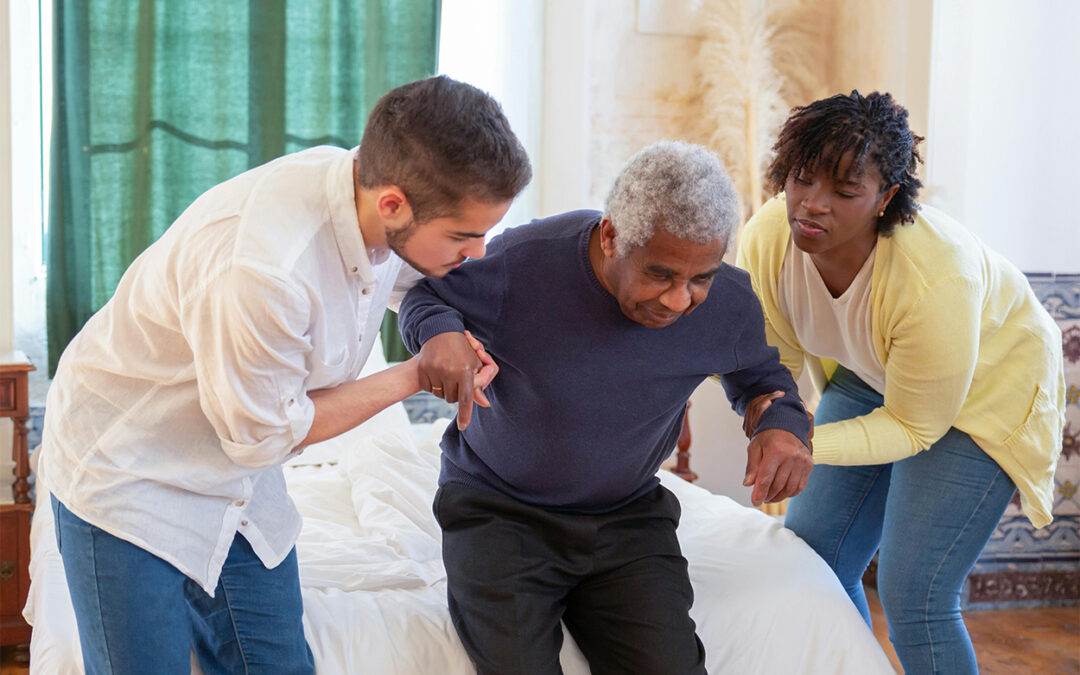
I have actually helped households on both courses. Some used a mix of senior home care and remote tracking to give a 92-year-old with mild dementia another three years in your home, consisting of day-to-day strolls and Sunday dinners with grandkids. Others moved quicker into assisted living to stop a cycle of falls, since night roaming and missed out on medication had turned your home into a danger. Both results were wins, for various reasons. The secret is to match the individual's requirements and practices with the strengths and gaps of each setting, then include the ideal technology without letting the gadgets run the show.
What "home" looks like with tech in the mix
Home can be a comfortable condominium with a persistent Persian rug that curls at the edges, or a farmhouse with steep steps where the pet dog likes to nap exactly where a walker needs to go. Senior home care brings the human layer: a senior caregiver for bathing, dressing, meals, errands, and companionship. Innovation twists around that schedule, aiming to cover what takes place when nobody else is there.
A normal at home senior care plan might begin small. Three early mornings a week for 2 to 4 hours, then more time as needs grow. Include a video visit with a nurse as soon as a week, a medication dispenser that locks between dosages, and a smart speaker set to address "How do I call Sarah?" With a foundation like this, we can build a safeguard tight enough to catch most surprises without smothering independence.
Remote tracking earns its keep not by viewing, however by observing. The best setups search for patterns: a bathroom visit every night at 2 a.m., an action count that remains above a baseline, high blood pressure readings that hover where the doctor wants them. When these patterns shift, early pushes prevent emergency room visits.
Here's what that can appear like in practice. A client in his late eighties wore a lightweight wrist sensing unit that logged steps and sleep. Over 10 days, his overall actions fell 35 percent, and he started waking two times a night instead of when. No fever, no pain, just a quiet drift. We had him take a home pulse oximetry reading and booked a same-day telehealth call. Pneumonia, caught early. He stayed home, took antibiotics, and avoided in home care a hospitalization that would have set him back months.
Technology inside assisted living
Assisted living is not a health center. It's a home-like neighborhood with caretakers on site 24/7, meals, activities, and medication management. What you get, daily, depends greatly on the building's culture and staff ratios. Many communities now incorporate passive movement sensing units in apartments, check-in kiosks, wearable pendants with area tracking, and central medication carts with electronic records. Each piece adds structure: staff get alerts if someone hasn't left the bedroom by midmorning, a fall sensing unit notifications sudden deceleration, and a nurse double-checks meds against a digital queue.
The strength here is consistency. If somebody requires aid every early morning with compression stockings and insulin, a group appears reliably. If a fall takes place, the action is minutes, not hours. Social programs is built in, which matters more than many households realize. Loneliness drives hospitalizations. A resident who plays cards at 3 p.m. every day is less most likely to nap through dinner, avoid meds, and wake disoriented at 2 a.m.
Still, the tech in assisted living works best when it's undetectable. I have actually seen neighborhoods that flood staff with motion informs, so everything ends up being sound. The great ones tune the limits, assign clear obligation, and utilize information in care conferences to adjust strategies. When Mrs. K stopped participating in physical fitness class, the activity director didn't simply shrug. He took a look at her apartment or condo movement logs, saw frequent bathroom trips, and routed her to a continence evaluation that resolved the problem. That's how technology ought to feel: helpful, not haunting.
Safety, threat, and the incorrect sense of security
Families in some cases believe that a cam over the stove resolves wandering, or that a pendant ends the threat of a long lie after a fall. It helps, however danger does not vanish. For example, lots of fall occasions never set off pendant buttons, since people don't want to make a fuss, or confusion gets in the way. Passive fall detection, especially from ceiling-mounted radar or flooring vibration sensors, enhances catch rates, but it's not perfect either. In a personal home, if somebody falls back a closed bathroom door with the water running, the system should cut through that situation rapidly. As a guideline of thumb, plan for alerts to be missed or overlooked 5 to 10 percent of the time and develop backup: neighbor secrets, caregiver check-ins, and a schedule where silence sets off action.
Assisted living lowers reaction times but does not remove falls or medication mistakes. Night personnel might cover big corridors. Short staffing during influenza season can stretch reaction windows. Technology matters here too. Neighborhoods that logged call bell reaction times and corrected outliers made a damage in resident injuries. Technology exposes weak spots, however just human management repairs them.
Medication management: the linchpin for stability
Most preventable hospitalizations I have actually seen started with medication misfires. Either the timing was off, doses clashed, or a brand-new prescription didn't play nicely with an old one. In your home, a locked medication dispenser with audible cues can keep things on track. When integrated with a home care service that cross-checks the weekly blister packs and a telehealth pharmacist, adherence can increase into the 90 percent range. If the gadget pings a household app when a dosage is missed, a quick call often gets things back on schedule.
Assisted living brings institutional workflows: licensed staff set up meds, document administration, and intensify side effects. The trade-off is versatility. Granddad might choose to take his evening dosage at 7:15 after Wheel of Fortune. The med cart may land at 6:30. Excellent neighborhoods accommodate choices, however the system focuses on consistency.
Hybrid methods work well. I had a client who kept her long-time cardiologist, did telehealth for regular follow-ups, and let the assisted living manage medications and vitals in between. Her data flowed to both groups, and she prevented the all-too-common handoff confusion that generates replicate prescriptions.
Costs that matter beyond the sticker price
Numbers ground choices. In lots of regions, private-pay assisted living runs between $4,000 and $7,000 per month, with memory care typically higher. That typically includes rent, meals, housekeeping, utilities, activities, and a base level of care. Additional care needs add costs. Senior care in the house varies extensively by market and schedule. Per hour rates commonly vary from $28 to $40 for non-medical senior caretakers, greater for skilled nursing. A light schedule, state three days a week for 4 hours, might cost around $1,400 to $2,000 each month. Twenty-four-hour care in your home, even with a live-in model, can exceed assisted living costs quickly.
Technology stacks carry their own line products. Expect $30 to $80 per month for a medical alert service, $40 to $100 for a linked medication dispenser, and $50 to $150 for sensor-based remote monitoring, plus devices expenses in the low hundreds. Telehealth gos to might be covered by Medicare or private insurance when ordered by a clinician, though remote patient tracking coverage depends on medical diagnoses and program guidelines. The math shifts when innovation assists avoid one ER visit or a rehabilitation stay. A single hospitalization can run tens of thousands. The goal is not to purchase gadgets, but to buy less crises.
Privacy, dignity, and the video camera question
This is where families stumble. Cams in private spaces can seem like a betrayal. They can also avoid a disaster. I draw a bright line: never put a video camera in a restroom or bed room without the elder's specific permission and a clear prepare for who watches and when. More frequently, movement sensing units, open/close sensors on doors, and bed exit pads give enough signal without attacking privacy. If cognition is undamaged and the individual states no, respect that. Replacement scheduled check-in calls, medication lockboxes, and wearable informs. Autonomy is not a trinket. Individuals live longer and much better when they feel in control.
In assisted living, the guidelines tighten. Regulative and neighborhood policies may restrict cams. Many residents succeed with location-aware pendants and space sensing units that leave video out of the equation. Households get assurance from the consistent existence of personnel and the neighborhood's liability to respond.
Social material, isolation, and why innovation doesn't treat isolation
I've seen older grownups talk more to their wise speaker than to human beings. It works for reminders and weather jokes. It does not replace touch or shared meals. If somebody flourishes on routine and familiar scenery, in-home care with a rotating set of senior caregivers can produce that connection. A caretaker who understands the rhubarb pie recipe and the canine's concealing areas matters more than you believe. Add a weekly video call with a grandchild and the regional senior center's shuttle bus for bingo, and we have a solvent versus loneliness.
Assisted living supplies a social setting that lots of people didn't recognize they missed. Piano hour in the lobby, art class, males's breakfast, spontaneous hallway talks. Innovation can grease the wheels: activity calendars on tablets, photo-sharing apps for families, and voice reminders that prompt involvement. But whether in your home or in a neighborhood, someone has to nudge. A caretaker knocking at 2:45, "We're leaving for chair yoga," is the distinction in between intent and action.
Health complexity and the tipping point for a move
Technology can extend the home runway, in some cases by years. The tipping point generally comes when the number of things that need to go best every day surpasses the support group's capacity to guarantee them. Extreme cognitive decline, high fall threat with bad judgment, unmanaged incontinence, or complex medication programs that require several timed interventions often press households toward assisted living or memory care.
One pattern stands apart. Nighttime needs break home schedules. If toileting help is needed 3 times a night and there's no live-in caregiver, risk climbs up fast. Sensors and informs can alert, however someone must respond in minutes. Assisted living covers that gap. On the other hand, if someone sleeps through the night, consumes well, and needs help mainly in the early morning and evening, in-home care plus tracking is typically the much better fit.
Building a reasonable in-home security net
It helps to believe in layers. Initially, your house: eliminate tripping dangers, light the path from bed to bathroom, install grab bars, include a shower chair, raise the toilet seat, and put the most-used products within easy reach. Second, regimens: basic mealtimes, a day-to-day walk, pill refills on the exact same weekday, and a calendar visible from the preferred chair. Third, innovation: select a medical alert that fits the person's routines, a medication option they can tolerate, and sensors that flag the uncommon without creating "alert tiredness."
Finally, individuals: schedule senior caregivers who bring skill and warmth, not just job coverage. Decide who in the family is the primary responder for alerts and who supports. Make a simple written prepare for "What we do if X takes place," because 2 a.m. does not invite clear thinking.
When assisted living is the right response, and how tech still helps
Moving into assisted living can seem like a defeat. It isn't. Done well, it lifts concerns that were quietly crushing everybody. The resident gets predictable care, meals they don't have to prepare, and activities that match their energy. The household shifts from continuous firefighting to relationship. Innovation does not disappear. It becomes a support to the care team: digital care plans, vitals tracking for chronic conditions, and websites where families see updates without playing phone tag.
Families can bring a favorite medication dispenser or a personal tablet for telehealth check outs with long-time doctors, as long as it fits together with the neighborhood's processes. For homeowners with high fall risk, some neighborhoods provide in-room radar sensors that identify motion and falls without electronic cameras. Ask about these choices during trips. The very best communities can respond to specifics: who reviews notifies, how quick they react at night, and how they use data to change care levels.
Choosing and vetting technology without the noise
The market is loud and filled with huge promises. Basic, reliable, and well-supported beats fancy whenever. Before you buy, ask three concerns. Who will respond to alerts at 2 a.m.? How will we know the system is working week after week? What is the off-ramp if the person stops using or tolerating it?
If the elder has arthritis, avoid small fiddly buttons. If they dislike wearing things, lean toward passive sensors. If cell coverage is questionable in your home, select gadgets with Wi‑Fi backup. Purchase from companies with live consumer assistance and clear return policies. Pilots assist. Run a device for 2 weeks with family in the loop before counting on it.
Data sharing and the scientific loop
Remote client monitoring shines when paired with clinicians who act upon patterns. For high blood pressure, connected cuffs that send readings to a nurse group can prompt medication tweaks before high blood pressure spirals. For cardiac arrest, day-to-day weight tracking can catch fluid retention early. Medicare and lots of private insurers cover these programs when criteria are met. In home care, senior caretakers can hint measurements and strengthen compliance. In assisted living, nursing personnel fold them into morning rounds.
The hard part is coordination. Everyone is busy, and replicate portals breed confusion. Designate one place where the household checks information, even if the back end pulls from a number of sources. Share a single-page summary with crucial contacts: standard vitals, medication list, doctor names, and flags for when to call whom. Prevent over-monitoring that produces stress and anxiety without benefit.
Legal, ethical, and emergency readiness
Consent matters. Protect written approval for monitoring, including who sees the information. Inspect state laws about recording audio or video. Change passwords frequently and make it possible for two-factor authentication. If you would not put your bank login on a sticky note by the door, don't do it for a medication dispenser either.
Emergency preparedness is the quiet backbone. At home, post a noticeable list of medications, allergic reactions, advance directives, and emergency contacts. Add a lockbox with a code on file with EMS, so responders can enter without breaking a door. In assisted living, evaluate the community's emergency situation protocols. Ask how they deal with power interruptions for locals who rely on oxygen or powered beds. Technology is only as good as its support under stress.
A grounded method to decide
It assists to write down an easy grid for your own scenario. On one side, list the elder's daily needs and risks: movement, cognition, medications, toileting, nutrition, mood, and social preferences. On the other side, list what home currently supplies, what technology can realistically include, and what spaces remain. Do the very same for assisted living: what the community promises, what you've confirmed, and what doubts. Costs go into both columns, consisting of the "soft cost" of family bandwidth.
Keep the elder's voice central. If the individual desperately wishes to stay home and the gaps are technically solvable with in-home care, modest innovation, and a sustainable schedule, attempt it. Set a 60- or 90-day check-in to reassess. If security risks are mounting and nights are disorderly, visit assisted living communities, ask blunt concerns, and consider a respite stay. Lots of neighborhoods offer one to 4 weeks of trial home that can break choice gridlock.

A useful mini-checklist you can use this week
- Identify the top two dangers in the present setup, then select one action for each that decreases threat within 14 days.
- If staying at home, choose one wearable or alert system and one medication solution, and test both for 2 weeks with particular responders assigned.
- If considering assisted living, tour at least two communities, visit at different times of day, and ask to see how they manage over night notifies and call bell reaction tracking.
- Create a one-page medical and contact sheet, print two copies, and share the digital file with the care team.
- Schedule a care conference, even if it's just family and a senior caregiver, to examine what's working and decide the next small step.
What good appearances like
Picture 2 siblings who set clear roles. One deals with medical follow-up and telehealth. The other arranges in-home care and technology. They accept a Monday morning ten-minute call. Their mother stays at home with four-hour morning check outs on weekdays, a medication dispenser that texts both brother or sisters if a dosage is missed, and door sensors that ping the next-door neighbor if she tries to march at 2 a.m. They examine a monthly report from the monitoring service that shows constant sleep and stable vitals. After 8 months, nighttime wandering increases. They trial an overnight caregiver for two weeks, then realize it's not sustainable. Within a month, their mother transfers to assisted living. They bring her favorite chair, keep the medication dispenser for familiarity, and set up weekly video calls with the grandkids. The structure's fall-detection sensors decrease night danger, and she joins a music group. That arc isn't a failure of home care. It's a success of judgment over wishful thinking.
The bottom line for families weighing home care and assisted living
Both paths can deliver safety and happiness when matched to the individual. Home care with concentrated technology maintains regimens and tightens up household bonds, specifically when nights are quiet and needs cluster in foreseeable windows. Assisted living make headway as complexity increases, night threats mount, or social structure becomes as crucial as individual choice. Remote tracking and telehealth are not silver bullets, however they are effective assistances in either setting when they feed a responsive human team.
If you do something this week, map the real day. Who assists with what, and when? Then add one layer of support that decreases threat without crowding out the life your loved one still wants to live. That's the point of senior care, whether delivered as elderly home care in a familiar living room or through the consistent rhythms of a great assisted living community.
FootPrints Home Care is a Home Care Agency
FootPrints Home Care provides In-Home Care Services
FootPrints Home Care serves Seniors and Adults Requiring Assistance
FootPrints Home Care offers Companionship Care
FootPrints Home Care offers Personal Care Support
FootPrints Home Care provides In-Home Alzheimer’s and Dementia Care
FootPrints Home Care focuses on Maintaining Client Independence at Home
FootPrints Home Care employs Professional Caregivers
FootPrints Home Care operates in Albuquerque, NM
FootPrints Home Care prioritizes Customized Care Plans for Each Client
FootPrints Home Care provides 24-Hour In-Home Support
FootPrints Home Care assists with Activities of Daily Living (ADLs)
FootPrints Home Care supports Medication Reminders and Monitoring
FootPrints Home Care delivers Respite Care for Family Caregivers
FootPrints Home Care ensures Safety and Comfort Within the Home
FootPrints Home Care coordinates with Family Members and Healthcare Providers
FootPrints Home Care offers Housekeeping and Homemaker Services
FootPrints Home Care specializes in Non-Medical Care for Aging Adults
FootPrints Home Care maintains Flexible Scheduling and Care Plan Options
FootPrints Home Care is guided by Faith-Based Principles of Compassion and Service
FootPrints Home Care has a phone number of (505) 828-3918
FootPrints Home Care has an address of 4811 Hardware Dr NE d1, Albuquerque, NM 87109
FootPrints Home Care has a website https://footprintshomecare.com/
FootPrints Home Care has Google Maps listing https://maps.app.goo.gl/QobiEduAt9WFiA4e6
FootPrints Home Care has Facebook page https://www.facebook.com/FootPrintsHomeCare/
FootPrints Home Care has Instagram https://www.instagram.com/footprintshomecare/
FootPrints Home Care has LinkedIn https://www.linkedin.com/company/footprints-home-care
FootPrints Home Care won Top Work Places 2023-2024
FootPrints Home Care earned Best of Home Care 2025
FootPrints Home Care won Best Places to Work 2019
People Also Ask about FootPrints Home Care
What services does FootPrints Home Care provide?
FootPrints Home Care offers non-medical, in-home support for seniors and adults who wish to remain independent at home. Services include companionship, personal care, mobility assistance, housekeeping, meal preparation, respite care, dementia care, and help with activities of daily living (ADLs). Care plans are personalized to match each client’s needs, preferences, and daily routines.
How does FootPrints Home Care create personalized care plans?
Each care plan begins with a free in-home assessment, where FootPrints Home Care evaluates the client’s physical needs, home environment, routines, and family goals. From there, a customized plan is created covering daily tasks, safety considerations, caregiver scheduling, and long-term wellness needs. Plans are reviewed regularly and adjusted as care needs change.
Are your caregivers trained and background-checked?
Yes. All FootPrints Home Care caregivers undergo extensive background checks, reference verification, and professional screening before being hired. Caregivers are trained in senior support, dementia care techniques, communication, safety practices, and hands-on care. Ongoing training ensures that clients receive safe, compassionate, and professional support.
Can FootPrints Home Care provide care for clients with Alzheimer’s or dementia?
Absolutely. FootPrints Home Care offers specialized Alzheimer’s and dementia care designed to support cognitive changes, reduce anxiety, maintain routines, and create a safe home environment. Caregivers are trained in memory-care best practices, redirection techniques, communication strategies, and behavior support.
What areas does FootPrints Home Care serve?
FootPrints Home Care proudly serves Albuquerque New Mexico and surrounding communities, offering dependable, local in-home care to seniors and adults in need of extra daily support. If you’re unsure whether your home is within the service area, FootPrints Home Care can confirm coverage and help arrange the right care solution.
Where is FootPrints Home Care located?
FootPrints Home Care is conveniently located at 4811 Hardware Dr NE d1, Albuquerque, NM 87109. You can easily find directions on Google Maps or call at (505) 828-3918 24-hoursa day, Monday through Sunday
How can I contact FootPrints Home Care?
You can contact FootPrints Home Care by phone at: (505) 828-3918, visit their website at https://footprintshomecare.com, or connect on social media via Facebook, Instagram & LinkedIn
Strolling through historic Old Town Albuquerque offers a charming mix of shops, architecture, and local culture — a great low-effort outing for seniors and their caregivers.
❧