November 24, 2026
Elderly Home Care vs Assisted Living: Staffing Ratios and Caregiver Training
By @andyfbuf122
Business Name: FootPrints Home Care
Address: 4811 Hardware Dr NE d1, Albuquerque, NM 87109
Phone: (505) 828-3918
FootPrints Home Care
FootPrints Home Care offers in-home senior care including assistance with activities of daily living, meal preparation and light housekeeping, companion care and more. We offer a no-charge in-home assessment to design care for the client to age in place. FootPrints offers senior home care in the greater Albuquerque region as well as the Santa Fe/Los Alamos area.
4811 Hardware Dr NE d1, Albuquerque, NM 87109
Business Hours
Families rarely start by comparing staffing ratios. They start with concern. A parent fell last month. Medication refills are slipping. A peaceful spouse is now a full-time caretaker, and both are tired. Selecting between elderly home care and assisted living often boils down to an easy concern: who will be there, and how prepared are they to help? The answer resides in two useful metrics that form outcomes every day: staffing ratios and caregiver training.
This piece digs underneath shiny pamphlets and into what really occurs in living spaces and residential centers, how groups are constructed, what education caregivers get, and how that equates into safety, self-respect, and lifestyle. I've worked alongside senior caregivers and care managers in both settings, and the realities are at once nuanced and remarkably consistent.
What "staffing ratios" indicate in real life
On paper, a staffing ratio is a number. In practice, it's a photo of just how much attention your loved one can anticipate, how rapidly someone responds at 2 a.m., and how typically a caretaker has time to discover the little modifications that signal difficulty early.
In assisted living, ratios are generally revealed as residents per direct-care staff member on a shift. They vary extensively by state and by building. Midday protection might look like one caretaker for 8 to 12 locals in a traditional assisted living setting, in some cases tighter in memory care. Overnight can extend to one for 15 to 20 locals, occasionally more in lower-acuity buildings. Assisted living is not a medical facility; there is frequently no nurse on every system 24 hr a day, though some structures have a RN on call and an LPN present for part of the day. Memory care areas tend to have lower ratios and more staff trained in dementia behaviors, but even there, staffing drops overnight.
In elderly home care, staffing ratios are typically one-to-one. A senior caretaker is in the home with a single customer for the scheduled hours. When you contract for live-in support, there might be one caretaker on-site with pause developed into the schedule, or a two-shift or three-shift design with handoffs all the time. If the family selects short visits, the ratio is perfect when the senior caregiver exists and absolutely no when they are not. That fact matters for individuals who require frequent cues or constant supervision.
Why does this matter? Since requirements are not consistent. A person with Parkinson's can move well in the early morning and freeze mid-afternoon. A diabetic might be steady for weeks and after that have a day with unforeseeable glucose swings. The match in between requirements and staffing ratios figures out whether those modifications are captured early and addressed, or missed out on in the sound of a hectic hallway or an empty afternoon.
Assisted living staffing: strengths and blind spots
Good assisted living neighborhoods do three things well. They construct groups for foreseeable regimens, they centralize services that take advantage of scale, and they keep a safeguard for emergency situations. You'll see collaborated medication administration, arranged bathing, planned activities, and dining-room support. When staffing is strong, typical locations hum and locals who are socially likely find a simple rhythm to the day.
The tension shows up at the edges. Morning "med pass" can be brisk, specifically in larger buildings. If the ratio runs high, discussions reduce and subtle changes get missed. A minor cough, a brand-new bruise, an increase in restroom journeys, a lower intake of fluids, or a quiet withdrawal from the card group, these early flags can slip through when staff are moving quickly. Graveyard shift are lean by style. If one resident requirements 45 minutes of care at 1 a.m., another might wait longer than anybody would like.
Staffing also depends on the structure's census and labor market. In tight labor markets, firm staff fill gaps. Numerous are exceptional, but churn can interrupt continuity. A resident with hearing loss may require the exact same introduction each time a new face arrives, and care strategies require reinforcement with each handoff. When leadership invests in onboarding and shadow shifts for new hires, connection improves. When they don't, families feel it in delayed reactions and repeated questions.
A useful note: ask how the building deals with skill creep. Individuals typically move in relatively independent, then require more help. Does the community change staffing or only boost the care cost? In my experience, the best-run communities flex both, and they're candid about thresholds that might activate a move to memory care or a higher level of support.
Home care staffing: precision and fragility
In-home senior care shines when the need specifies and constant. A single senior caretaker can focus entirely on your parent's routine, the pet's feeding schedule, the exact way the shower chair is placed, the one mug that doesn't scald their fingers. The caregiver understands the pantry, notices when the walker begins gathering dust, and can spend 20 minutes coaxing fluids because that avoids a urinary tract infection next week. One-to-one attention frequently indicates early detection: a little change in gait, a slight confusion with the television remote, an untouched water glass.

That same accuracy is fragile. If the caretaker calls out sick or leaves the agency, continuity breaks. The very best home care service providers preserve a bench of float caretakers and do warm handoffs to reduce interruption. Households can help by documenting routines and preferences, and by enabling overlap shifts throughout shifts. Without that, even a basic wound care regimen can falter if a new person appears unprepared.
Coverage is the other hinge. A two-hour visit mid-morning does not aid with the 9 p.m. fall risk. Live-in protection fixes this, however it needs a home environment that can accommodate a caregiver, fair sleep plans, and a spending plan that can sustain 24-hour existence. Where households select a patchwork of shorter shifts, be truthful about the "dark hours" and whether neighbors or technology can fill gaps. A door sensing unit that pings a daughter's phone is useful. It is not the like a trained individual present when Dad stands up too fast.
Training: credentials, competencies, and what really gets taught
Titles vary. Qualified Nursing Assistants (CNAs) and Home Health Aides (HHAs) typically complete 60 to 120 hours of training depending upon state guidelines, with a skills inspect and a competency exam. Personal Care Aides (PCAs) might have shorter training, sometimes 40 hours or less. Assisted living care staff may be a mix of CNAs, HHAs, and PCAs. Some states require dementia training for anyone working in memory care. Others leave it to supplier policy.
Curriculum content is relatively standard on paper: infection control, vital signs, body mechanics, bathing and toileting support, safe transfers, skin stability, nutrition basics, documents, and recognizing red flags. Where the genuine distinctions reveal is in repeating, training, and supervision.
In top-tier assisted living, new staff shadow experienced assistants for numerous shifts, then receive spot checks by nurses or care managers. In weaker structures, a brand-new hire gets one shadow shift and then runs a hallway alone. The gap shows up in how confidently personnel use gait belts, whether they pivot correctly throughout transfers, and how quickly they intensify concerns.
Home care agencies vary simply as widely. Strong firms purchase dementia-specific training, motivational talking to for care resistant customers, safe cooking and food safety, and real-world circumstances like what to do when a senior refuses a shower for the third day. They also train against common home threats: toss carpets, narrow bathrooms, low lighting, family pets underfoot. Less rigorous firms satisfy minimums and count on the caregiver's previous experience, which might be outstanding or very little. Ask to see the training syllabus and how typically abilities are revalidated.
One area that separates great from fantastic is medication assistance. Assisted living typically manages medication administration under nurse oversight. Home care, depending on state law and licensure, might be limited to tips and setup unless the customer is on a home health episode with nursing. For people on complex programs, specifically those with cognitive problems, this distinction can be decisive.
Ratios and acuity: matching the setting to the person
Think of skill not as a label however as a profile that changes with time. 2 individuals with the exact same medical diagnosis can have significantly different requirements. A retired teacher with early Alzheimer's may be independent with bathing however requires continuous supervision to prevent roaming. A stroke survivor may be cognitively sharp yet needs safe transfers and danger tracking for skin breakdown.
Assisted living handles predictable, task-based take care of numerous residents well. If somebody needs aid dressing, cueing at meals, and standard meds, a ratio of one caregiver to 10 residents can work if the building runs efficiently. When needs ended up being unpredictable or require continuous redirection, that very same ratio can fail the resident. This is why memory care neighborhoods flex the ratios downward and assign more dementia-trained staff.
In-home care favors individuals who take advantage of constant attention, customized pacing, and environmental familiarity. One-to-one time permits a caregiver to structure the day around the client's best hours, not a facility's schedule. This matters for conditions like sundowning, Parkinson's off durations, post-hospital deconditioning, and sorrow after losing a partner. The home itself can be therapeutic when it holds regimens and sensory hints that steady the person.
The breakpoint appears when either guidance must be constant or medical needs exceed what a single assistant can securely manage. An individual who attempts to stand every 10 minutes despite extreme balance problems might require two-person transfers. In a center, 2 staff can team lift when needed. In your home, a single caretaker can not securely do repetitive two-person transfers alone. Conversely, a socially distressed individual who consumes much better in a calm kitchen area and declines dining rooms might thrive in the house even as their list of requirements grows.
Supervision and backup: the unnoticeable layer
Ratios only inform part of the story. Guidance, responsibility, and backup complete it. Who is watching the watchers?
In assisted living, there is usually a care director who oversees care plans, a nurse who evaluates changes, and a scheduler who handles staffing. The layers work when they communicate. An assistant notices increased nighttime toileting, reports it to the nurse, who look for a urinary tract infection and updates the strategy. If those layers are thin or pulled into administrative jobs, little problems go unaddressed till they turn into crises. Neighborhoods that hold day-to-day standups with care, dining, and housekeeping teams catch more, because housekeeping sees the unopened meal trays and care hears that cue.
In home care, the agency's care supervisor is the linchpin. Strong agencies do an initial in-home evaluation, compose a personalized care strategy, and revisit every 30 to 90 days or after any change. They encourage caregivers to report incidents immediately and provide an on-call line for after-hours support. Families need to ask how frequently supervisors visit personally, not just phone check-ins. The presence of a monitoring nurse matters if the client has injuries, oxygen, or frequent med changes.
Backup is most visible when things go wrong. I have actually seen exceptional firms put together protection for a typhoon within hours, delivering shelf-stable meals and inspecting backup power for oxygen. I've also seen firms cancel shifts at the last minute. When interviewing, request for one example of a time the provider failed, and what they changed.

Cost in the context of ratios
Families ask about rate within minutes, and it's reasonable to do so. Costs vary by area, however some patterns hold. Conventional assisted living often charges a base rent that includes space, board, activities, and some level of care, then layers on fees as requirements grow. A resident with moderate needs might spend for medication administration, bathing support, and escort to meals. Memory care is normally higher due to staffing and security. The ratio is shared, which spreads costs.
Home care costs scale with hours. A few hours everyday is frequently less than assisted living. Day-and-night in-home care normally costs more than assisted living because the ratio is one-to-one. Households often mix methods: days at home with a caregiver, and a respite stay at a community after a hospitalization or during caregiver travel. Others use adult day programs to decrease home care hours while preserving home life.
Beyond dollars, think about the indirect expenses connected to ratios. In your home, modifications like grab bars, improved lighting, or a shower conversion have in advance expenses however can lower fall danger right away. In assisted living, the built environment currently includes those features, however you pay for the benefit as part of the regular monthly rate. Transport to consultations can be simpler in a center that schedules group trips, but a one-to-one caregiver will understand the medical professional's door and keep in mind the elevator that fits the wheelchair best.
Training that genuinely matters for particular conditions
Credentials set a flooring. The ceiling originates from condition-specific practice and mentoring. If your loved one has dementia, search for caregivers who have actually finished a minimum of 6 to 8 hours of dementia training initially, with annual refreshers, and who can explain methods for managing distress without restraints or chemical sedation. Ask for examples: how they handle recurring concerns, how they reroute without lying, how they support hydration when a person forgets to drink.
For Parkinson's, training should consist of cueing strategies, gait belt usage, freezing management, and familiarity with ON/OFF medication timing. Small timing mistakes develop big movement problems. A trained caretaker will arrange showers for the ON durations and know to keep paths clear, shoes grippy, and family pets out of the way.
For cardiac arrest or COPD, search for comfort with weight tracking, fluid restrictions, oxygen security, and spotting early signs of worsening: increased shortness of breath with regular jobs, swelling, or nighttime cough. In assisted living, make sure there is a protocol for daily weights and communication to nursing. At home, ask whether the caretaker can chart weights and text or portal message a nurse or family member reliably.
For diabetes, training must cover hypo and hyperglycemia indications, glucometer usage if permitted, and carb-aware meal prep. In assisted living, check who in fact administers insulin and how backup works if the nurse is off. In home care, validate what tasks are lawfully allowed, and whether a home health nurse is needed to handle injections.
How to analyze a staffing ratio during a tour or intake
Numbers shared throughout a tour are starting points, not gospel. Ask to see the staffing plan for weekdays and weekends, days and nights, and then compare what you are told to what you observe. Visit at 7 a.m. to witness the busiest changeover, or 8 p.m. when night staffing remains in place. Watch response times to call lights. Are assistants walking quickly with function, or are call bells sounding without any motion? Observe meal service. Staff who keep eye contact while assisting, and who return immediately after providing a plate, are normally supported by workable ratios.
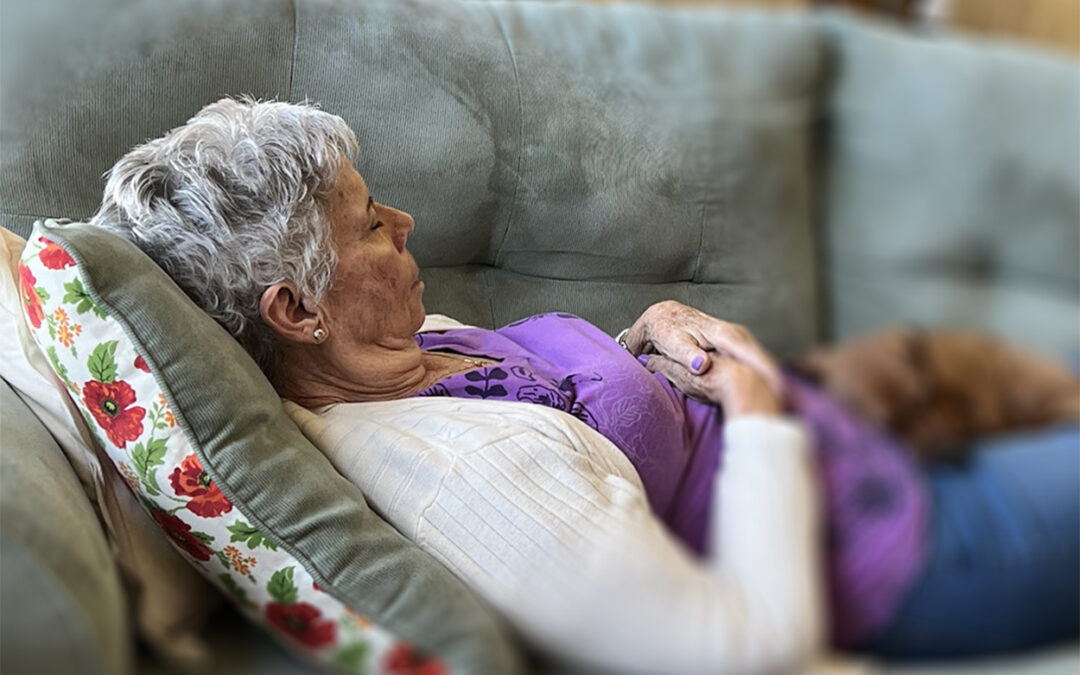
At home, the comparable test is the trial shift. Arrange 2 to 3 sessions with the same senior caretaker before dedicating to a bigger plan. Watch for safe body mechanics, persistence, and initiative. An excellent caretaker asks where the grab bars are, tests water temperature carefully, and sets up transfers methodically without shortcuts. They will likewise ask about routines: early morning coffee, the preferred sweater, who to call if the mail stacks up.
One simple indication in both settings is paperwork. In assisted living, care logs that are tidy however vague recommend boxes ticked after the truth. Logs with specific notes, specifically about unusual events, reveal real-time attention. At home, ask the caretaker to write fast visit notes. A line like "Walked to mailbox after lunch, moderate shortness of breath, sat to rest, SpO2 94 percent on space air" is more encouraging than "Stroll and lunch fine."
Trade-offs households rarely hear about
Privacy and speed trade places between settings. Assisted living affords personal privacy of a personal space or house, however staff must cover lots of homeowners, so help might take a couple of minutes to arrive. In your home, assistance is instant when the senior caregiver exists, however privacy is inherently different when someone lives or spends lots of hours in your personal area. Some seniors feel more comfortable having help reoccur within their own schedule, others discover it intrusive and prefer the neutrality of a community.
Another compromise is social stimulation. Memory care and assisted living offer built-in activities, which can be lifelines for extroverts and those who benefit from a structured day. In-home care can reproduce this with prepared trips, senior center visits, or adult day programs, but it requires active coordination. When anxiety or lethargy exist, assisted living's casual interactions in the hall or throughout meals can keep a person engaged without effort. That said, for those with sensory overload, a bustling dining room can be tiring, making at home meals even more successful.
A third trade-off is resilience. Assisted living has generators, on-call maintenance, and centralized products. Home care depends on your home's readiness. A snowstorm that knocks out power is a hassle in a structure, possibly a crisis in the house if oxygen is required. Planning narrows this gap: battery backups, additional medications, and a composed emergency situation plan can make home care remarkably resilient.
A grounded way to decide
If you strip away marketing, the decision turns on matching three things: the quantity of time a person requires another individual present, the intricacy of the tasks, and the environment where that individual best preserves regimens and dignity. For some, that's a well-run assisted living with steady staffing and knowledgeable medication support. For others, it's a familiar home with a trustworthy senior caregiver who keeps the day on track and notices little changes.
Here is a short, practical method to size up fit without spreadsheets.
- Map the hours when danger is highest. Circle the times of day when falls, confusion, incontinence, or agitation most often take place. If risk clusters in quick windows, targeted in-home care can work well. If it covers the majority of the day and night, lean towards live-in home care or an assisted living with strong night staffing.
- List the tasks that can not be missed out on. Medication timing, insulin injections, oxygen management, and two-person transfers are non-negotiable. Select the setting that can ensure coverage for those jobs, not simply assure to try.
- Test for stamina and social requirements. People who acquire energy from conversation often do much better where there are lots of natural interactions. Those who tire quickly might do much better at home with curated visits and peaceful routines.
- Pressure-test backup. Ask both service providers for a real story of a staffing shortage or emergency situation and what they did. If the answers are vague, keep looking.
- Check the training fit. Match the caretaker or building's training emphasis to the primary condition. Dementia behaviors, Parkinson's mobility, or cardiac monitoring need targeted skills, not just general experience.
The quiet power of continuity
Whether you pursue senior home care or assisted living, continuity is the greatest predictor of stability. A single at home caretaker who stays for months can prepare for problem before footprintshomecare.com elder care albuquerque nm it occurs. An assisted living group with low turnover understands which resident likes oatmeal thin and which will just take morning meds after tea. Connection permits individuals to remain themselves, and that is frequently the inmost goal of senior care.
Families can reinforce continuity by sharing a succinct life story with every caregiver: past work, hobbies, favorite music, fears, and what brings calm. In home care, put this on the fridge. In assisted living, give it to the care director and activity group. When a caretaker understands that your father was a machinist who trusts regimens and tools, they will approach him in a different way in the shower and with more success.
Where policies and practice meet
Regulations set minimums, not perfects. Some states mandate specific training hours for assisted living personnel, others focus on paperwork and resident rights. Home care companies may be licensed as individual care suppliers, with various borders from Medicare-certified home health companies. When you hear a policy answer that sounds rigid, ask for the practice behind it. "We do not administer insulin" can be followed by "but we coordinate with a checking out nurse who deals with injections at consistent times, and our caregivers hint meals and monitor blood glucose logs."
If your loved one's requirements straddle boundaries, hybrid plans are typically best. I've seen families keep a moms and dad in assisted living yet bring in a relied on senior caretaker for high-risk hours. I have actually likewise seen families begin with personal in-home care, then add adult day health for treatment, socializing, and nurse oversight while the caretaker manages home life. The secret is being truthful about requirements and building around the spaces instead of forcing a single design to do everything.
Final thoughts from the field
I when dealt with two clients in the same month, both after hip fractures. One picked assisted living for the healing duration. She was gregarious, enjoyed the dining room chatter, and loved the group workout. The corridor staff were quick to identify when she tried to bring a tray too soon and quietly took it from her. She moved home 3 months later, more powerful and safe.
The other remained at home with a senior caregiver. He was personal, slept improperly in unfamiliar locations, and ate better at his own kitchen table. The caregiver cooked his favorite stews, cleared pathways, and set up a nightly routine that prevented wandering. She likewise saw he grimaced when sitting and notified the nurse, who caught a pressure sore early. The one-to-one ratio mattered.
Both options worked because the staffing and training matched the people they served, not the other way around. That is the heart of this decision. Ask about ratios, enjoy how training shows up in little moments, and trust the setting that makes your loved another themselves. Whether you pick elderly home care or assisted living, the ideal fit is the one where you stop worrying about who will exist, due to the fact that you currently know.
FootPrints Home Care is a Home Care Agency
FootPrints Home Care provides In-Home Care Services
FootPrints Home Care serves Seniors and Adults Requiring Assistance
FootPrints Home Care offers Companionship Care
FootPrints Home Care offers Personal Care Support
FootPrints Home Care provides In-Home Alzheimer’s and Dementia Care
FootPrints Home Care focuses on Maintaining Client Independence at Home
FootPrints Home Care employs Professional Caregivers
FootPrints Home Care operates in Albuquerque, NM
FootPrints Home Care prioritizes Customized Care Plans for Each Client
FootPrints Home Care provides 24-Hour In-Home Support
FootPrints Home Care assists with Activities of Daily Living (ADLs)
FootPrints Home Care supports Medication Reminders and Monitoring
FootPrints Home Care delivers Respite Care for Family Caregivers
FootPrints Home Care ensures Safety and Comfort Within the Home
FootPrints Home Care coordinates with Family Members and Healthcare Providers
FootPrints Home Care offers Housekeeping and Homemaker Services
FootPrints Home Care specializes in Non-Medical Care for Aging Adults
FootPrints Home Care maintains Flexible Scheduling and Care Plan Options
FootPrints Home Care is guided by Faith-Based Principles of Compassion and Service
FootPrints Home Care has a phone number of (505) 828-3918
FootPrints Home Care has an address of 4811 Hardware Dr NE d1, Albuquerque, NM 87109
FootPrints Home Care has a website https://footprintshomecare.com/
FootPrints Home Care has Google Maps listing https://maps.app.goo.gl/QobiEduAt9WFiA4e6
FootPrints Home Care has Facebook page https://www.facebook.com/FootPrintsHomeCare/
FootPrints Home Care has Instagram https://www.instagram.com/footprintshomecare/
FootPrints Home Care has LinkedIn https://www.linkedin.com/company/footprints-home-care
FootPrints Home Care won Top Work Places 2023-2024
FootPrints Home Care earned Best of Home Care 2025
FootPrints Home Care won Best Places to Work 2019
People Also Ask about FootPrints Home Care
What services does FootPrints Home Care provide?
FootPrints Home Care offers non-medical, in-home support for seniors and adults who wish to remain independent at home. Services include companionship, personal care, mobility assistance, housekeeping, meal preparation, respite care, dementia care, and help with activities of daily living (ADLs). Care plans are personalized to match each client’s needs, preferences, and daily routines.
How does FootPrints Home Care create personalized care plans?
Each care plan begins with a free in-home assessment, where FootPrints Home Care evaluates the client’s physical needs, home environment, routines, and family goals. From there, a customized plan is created covering daily tasks, safety considerations, caregiver scheduling, and long-term wellness needs. Plans are reviewed regularly and adjusted as care needs change.
Are your caregivers trained and background-checked?
Yes. All FootPrints Home Care caregivers undergo extensive background checks, reference verification, and professional screening before being hired. Caregivers are trained in senior support, dementia care techniques, communication, safety practices, and hands-on care. Ongoing training ensures that clients receive safe, compassionate, and professional support.
Can FootPrints Home Care provide care for clients with Alzheimer’s or dementia?
Absolutely. FootPrints Home Care offers specialized Alzheimer’s and dementia care designed to support cognitive changes, reduce anxiety, maintain routines, and create a safe home environment. Caregivers are trained in memory-care best practices, redirection techniques, communication strategies, and behavior support.
What areas does FootPrints Home Care serve?
FootPrints Home Care proudly serves Albuquerque New Mexico and surrounding communities, offering dependable, local in-home care to seniors and adults in need of extra daily support. If you’re unsure whether your home is within the service area, FootPrints Home Care can confirm coverage and help arrange the right care solution.
Where is FootPrints Home Care located?
FootPrints Home Care is conveniently located at 4811 Hardware Dr NE d1, Albuquerque, NM 87109. You can easily find directions on Google Maps or call at (505) 828-3918 24-hoursa day, Monday through Sunday
How can I contact FootPrints Home Care?
You can contact FootPrints Home Care by phone at: (505) 828-3918, visit their website at https://footprintshomecare.com, or connect on social media via Facebook, Instagram & LinkedIn
FootPrints Home Care is proud to be located in the Albuquerque, NM serving customers in all surrounding communities, including those living in Rio Rancho, Albuquerque, Los Lunas, Santa Fe, North Valley, South Valley, Paradise Hill and Los Ranchos de Albuquerque and other communities of Bernalillo County New Mexico.
❧